The most effective materials for solar cells are those with a bandgap energy near the energy at which the sun emits the most radiation about 500 nm or yellow orange visible light 1.
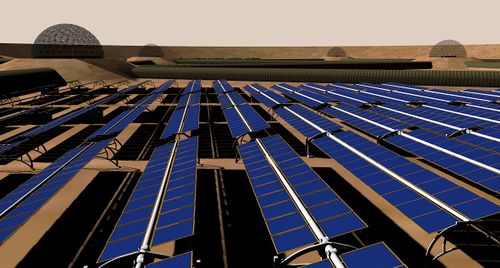
Multi junction solar cell solar panels mars.
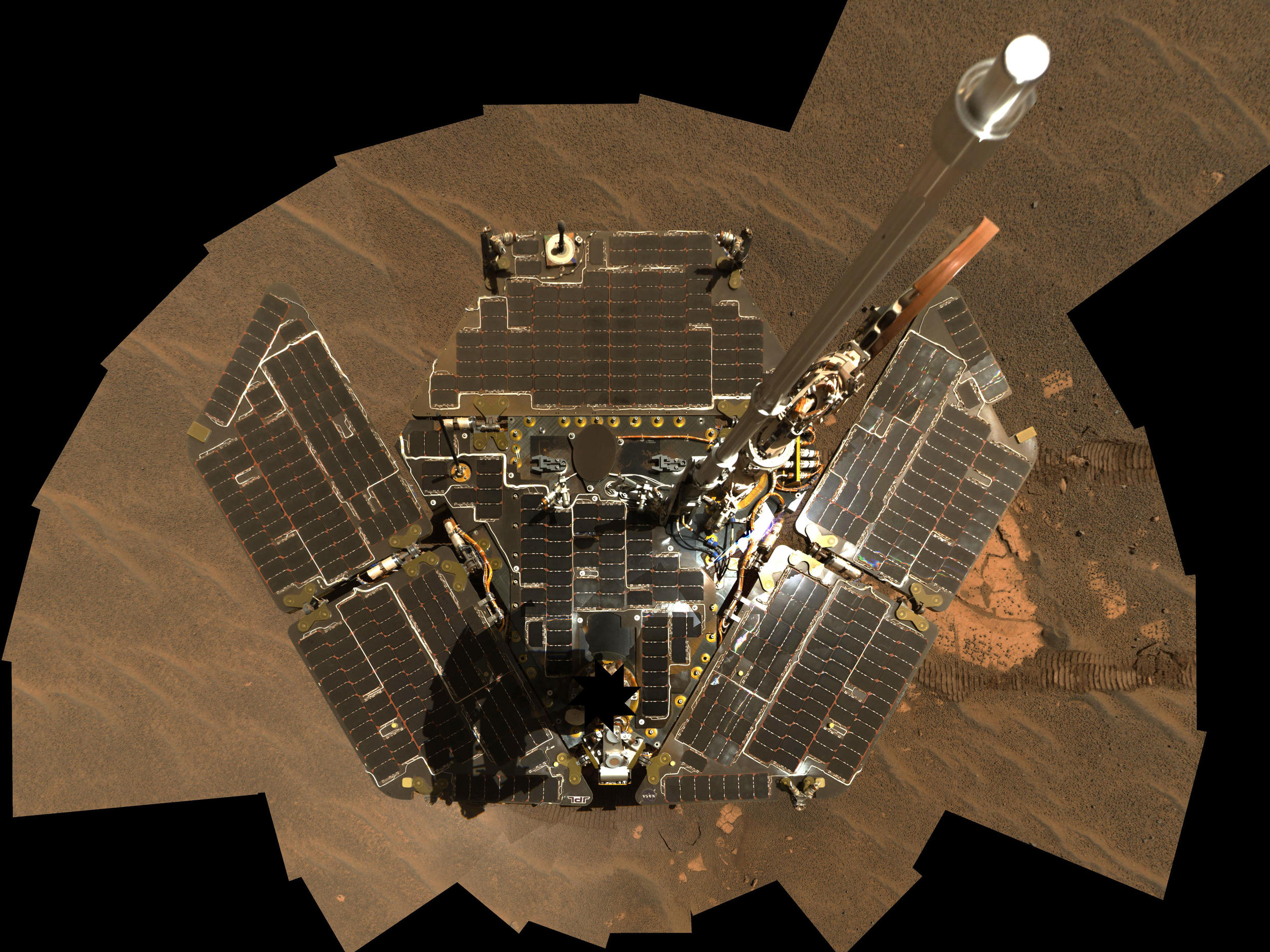
Mars rover powered by multijunction cells this very successful space cell is currently being engineered into systems.
Taken together they are the largest representation of solar in space occupying enough area to cover most of a football field.
The thin film solar panel may be single or multi junction depending on its material s.
The highest efficiency achieved to date with single junction cells is about 22.
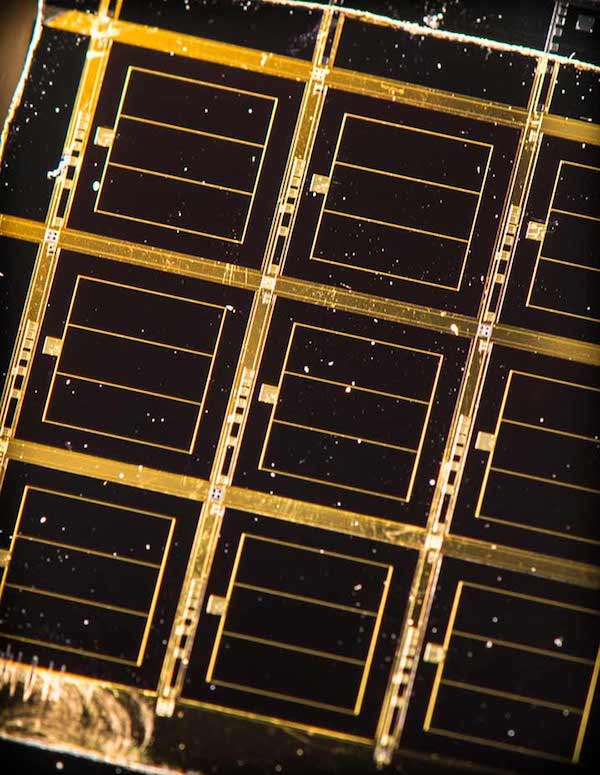
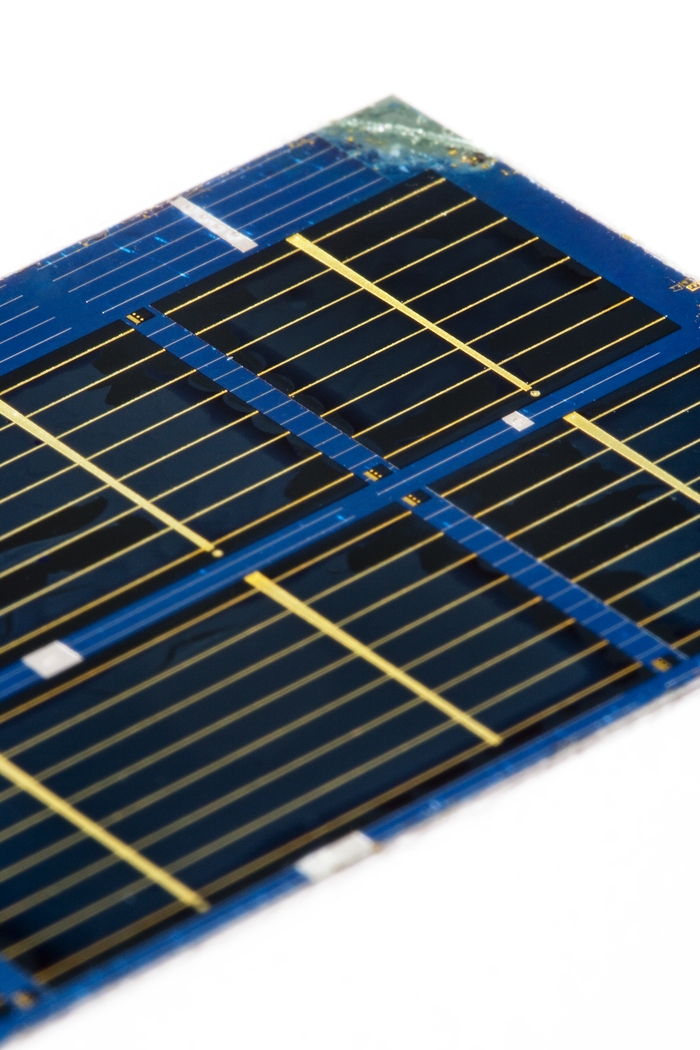
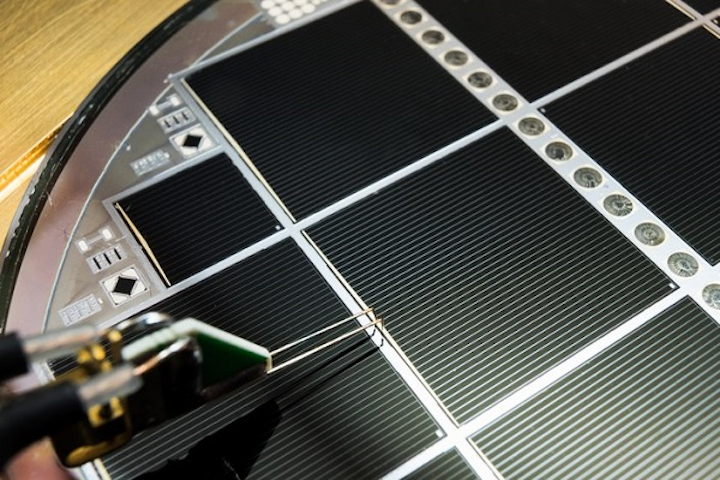
Multi junction mj solar cells are solar cells with multiple p n junctions made of different semiconductor materials.
The mars rover sports gaas cells and perovskites materials.
Solar cell tandem powered satellite flown commercial production of tandem production levels reach 300 kw yr 3 junction concentrator success of gainp gaas ge cell quicktime and a tiff lzw decompressor are needed to see this picture.
Just like normal silicon solar cells multi junction solar cells produce electricity through the photovoltaic effect.
High efficiency multijunction devices use multiple bandgaps or junctions that are tuned to absorb a specific region of the solar spectrum to create solar cells having record efficiencies over 45.
This means that theoretically multi junction solar cells are capable of converting more sunlight that hits them to electricity when compared to single junction cells.
The photovoltaic effect is a complicated chemical and mechanical process but can be summarized in three main steps.
The use of multiple semiconducting materials allows the absorbance of a broader range of wavelengths improving the cell s sunlight to electrical energy conversion efficiency.
Mars exploration rovers spirit and opportunity exploring the planet mars facts information videos and pictures.
Theoretically their maximum efficiency is about 33.
A floating solar plant in lithuania source dw 3.
As a runner up multi junction cells made of gallium arsenide and similar materials resist degradation better than silicon and are the most efficient cells currently made with energy conversion efficiencies up to 34.
A central stage in the development of economic solutions for the industrial use of multi junction solar cells for power generation has been reached.
Multi junction solar cells were first introduced in the late 1970 s by the research triangle institute 2.
Although for the most part the solar power sector has mainly focused on crystalline silicon newer materials are providing promising results and may soon be market ready and commercially feasible the most noteworthy examples are gallium arsenide fun fact.