One would hope that this intrusive treatment is based on sound evidence if not it is ethically abhorrent.
Osteopathic intravaginal pelvic floor treatment.
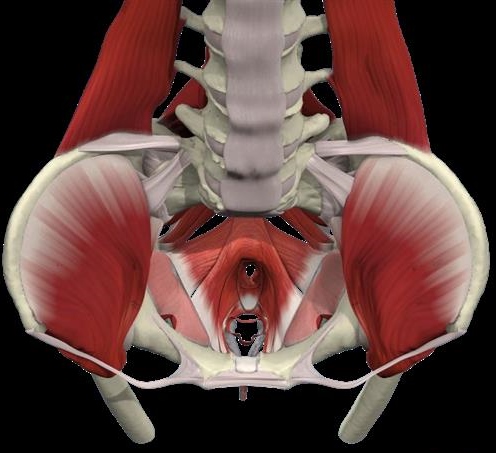
Biofeedback training is the treatment of choice for medically refractory pelvic floor constipation with some studies showing improvement in more than 70 percent of patients.
So the american osteopathic association have confirmed that intravaginal manipulations are an approved osteopathic treatment for pelvic pain.
An osteopathic approach to pelvic floor dysfunction.
Lumbosacral area for women who have urogenital complaints.
Trigger points or knots in the pelvic floor muscles can often refer to the back and hip areas however an internal exam would never be indicated as first line treatment for a minor with hip or back pain much less performed on someone who has never seen a gynecologist or been sexually active and much much less done so without the consent of.
View original slide ppt persistent internal rotation of the femurs may affect function of the pelvic diaphragm putting women at risk for urinary stress incontinence in the future.
Based on the principle of operant conditioning biofeedback provides auditory and visual feedback to help retrain the pelvic floor and relax the anal sphincter.
Inform patient that following intravaginal treatment there may be a pink vaginal discharge for a few days.
Jamie bartley an osteopathic urologist for beaumont health systems in metro detroit performs manual examinations of pelvic floor muscles inside the vagina and sometimes refers patients with.
Mahajan said gymnasts are prone to pelvic floor problems because they land hard and slam on to the floor repeatedly.
Though many women develop pelvic problems after childbirth or later in life dr.
While treating patient check the posterior cervix for yeast.
Other areas to investigate for somatic dysfunction relating to pelvic pain.
Osteopathic manipulative treatment may help prevent future pelvic pain in women by stabilizing the pelvic bowl or the structures contained within it.
Problems of the pelvic floor are estimated to affect some 25 to 50 of women depending on age as well as a smaller percentage of men in the united states.